Excel✓
Fix broken journeys
Reliable workspaces for high-stakes operations. AI assists. You decide.
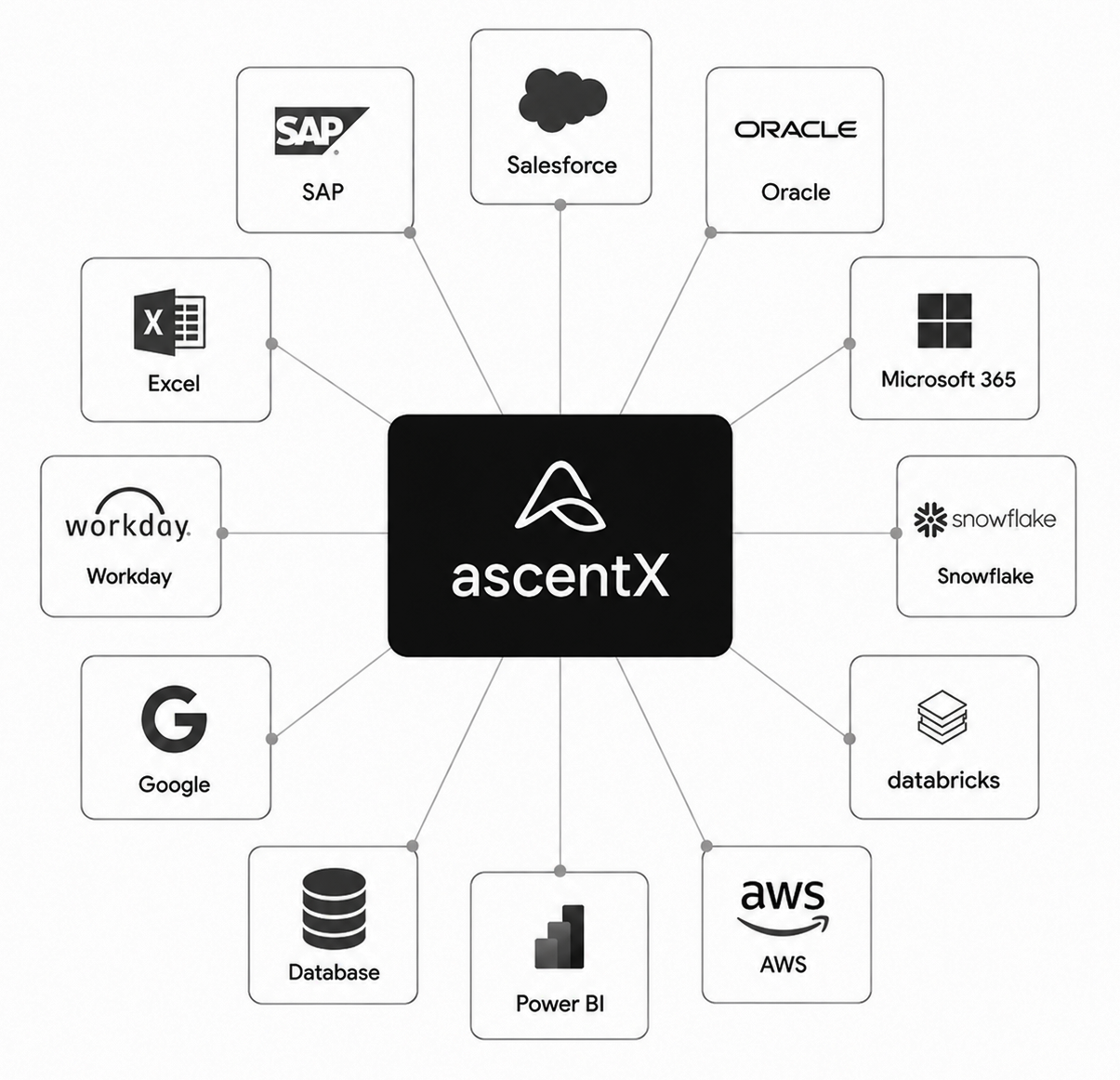
Connect your systems with pre-built adapters. Build deterministic workspaces that bring everything together instantly.
App✓
Database✓
Northstar Co.
Commercial Banking
$ ARR 18.5M
Status Review needed
AI Summary ⌃
Deep analysis
⌕ Search
Item
Source
Status
Owner
Signer document
File
Mismatch
Ops
All actions are tracked
Outcome saved ✓
The problem
Work is demanding enough. Wasting time finding data does not help.
Most tools move data. They do not move work. The person who needs to act still has to assemble the picture themselves before they can even start.
01
Nothing is where you need it
It may sit in a tool, spreadsheet, file, database or internal record. Finding all of it is the first obstacle before any decision.
02
Finding it takes longer than doing it
Teams spend hours checking, comparing, copying and confirming details before the actual work has even started.
03
The actual work keeps waiting
None of that manual effort adds value. It just delays the moment the person with the right knowledge can act.
Deterministic workspaces
Where broken journeys are fixed.
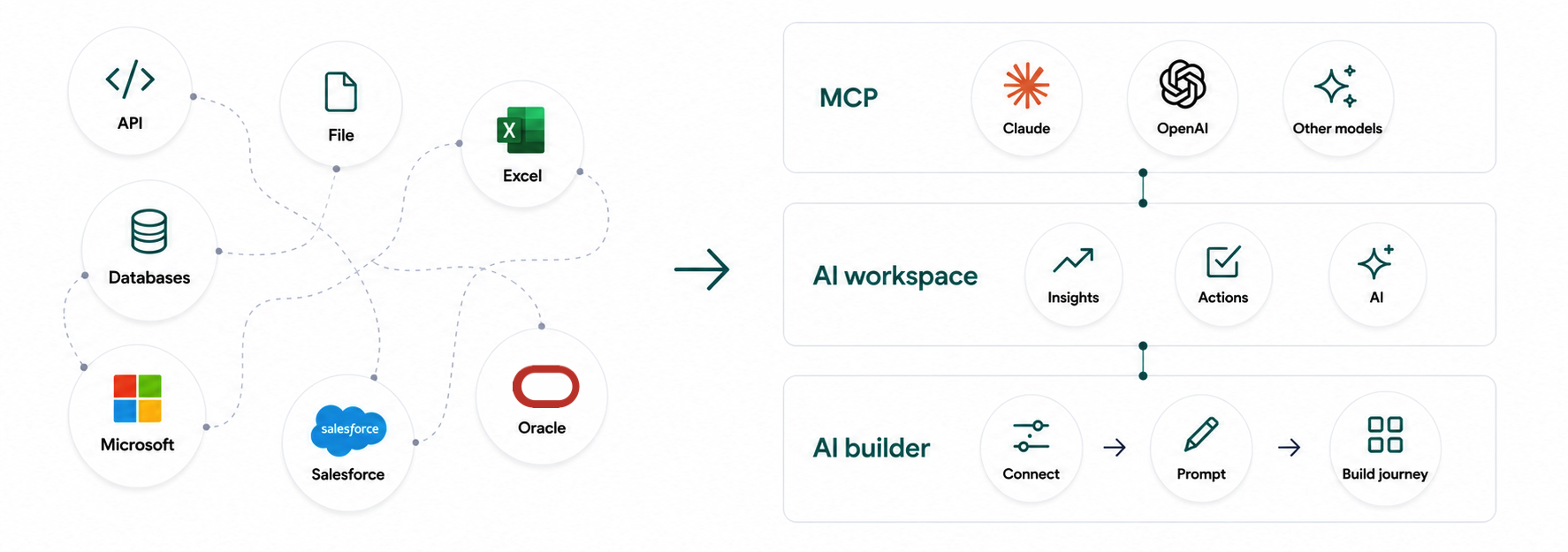
Every important process has a breaking point: the moment someone needs information they do not have. ascentX removes that breaking point. The right data is ready, AI explains the situation and the work gets done.
1
Every process has a breaking point.
The information needed is spread across too many places. The process stalls before it starts.
Sheet
File
Database
Tool
Record
2
Describe the process. Get a workspace instantly.
Describe the process in normal language. The AI Journey Builder creates a tailored, structured workspace using your connected data sources.
3
The breaking point is gone.
ascentX assembles the full picture in a reliable workspace. AI flags what is missing and explains what matters.
4
The work gets done.
With the full picture in front of them, the user acts.
Update record
Trigger workflow
Create task
Request file
Assign owner
Save outcome
Every action is tracked. Updates write back to the source of record. For workflow automation, ascentX connects to tools like n8n.
5
Extend the workspace to your AI tools.
The ascentX MCP server gives Claude or ChatGPT governed access to your journey. They answer from real, structured data — not guesses. You stay in control of every action.
Why now
Something changed in the world.
For forty years, the data existed. The tools existed. The problem was always the same: bringing information together from multiple systems required complex pipelines, structured data, and months of integration work.
That barrier has fallen.
Reliable workspaces can now assemble the complete picture quickly and securely — so teams can focus on decisions instead of data hunting.
Reliable workspaces can now assemble the complete picture quickly and securely.
The cost of continuing with broken processes is now too high to ignore.
Market
Fintech first. Every vertical next.
Portfolio managers who need a full picture before a review call. Compliance teams assembling KYC records against a deadline. Deal teams pulling from six systems before a board meeting. The process breaks the same way every time. Once ascentX fixes it in fintech, every industry that works the same way is next.
Once ascentX handles one process, expanding to the next is a configuration, not a sale.
What makes us unique
Three things ascentX does differently.
01
Deterministic core
Structured workspace first. AI is an intelligent assistant — never autonomous.
02
Enterprise-ready integrations
Out-of-the-box adapters with secure, governed write-backs. No custom engineering required.
03
Human-in-the-loop by design
AI delivers insights inside the workspace. You retain full control and auditability.
AI Assist
AI assists inside the workspace. It never acts alone.
EMBEDDED AI
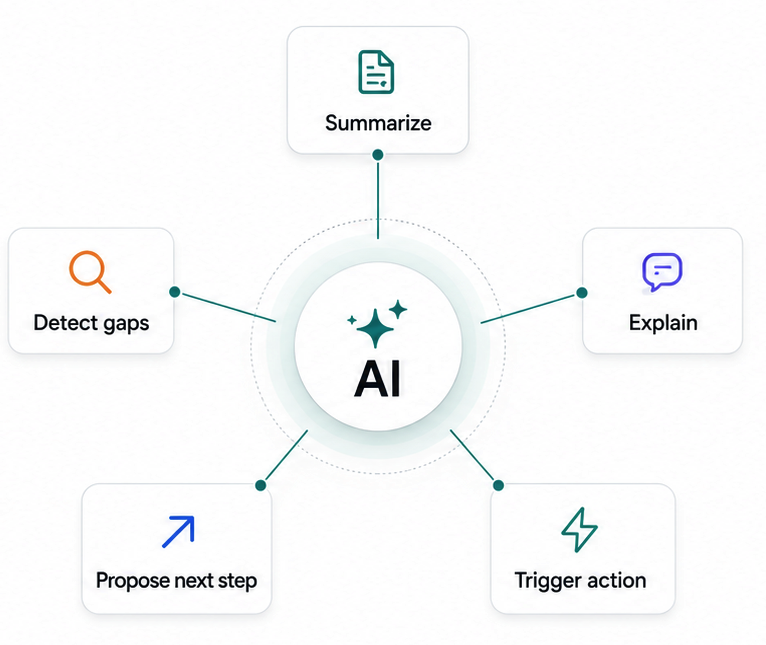
Insights and suggested next steps, inside every workspace.
MCP — MODEL CONTEXT PROTOCOL
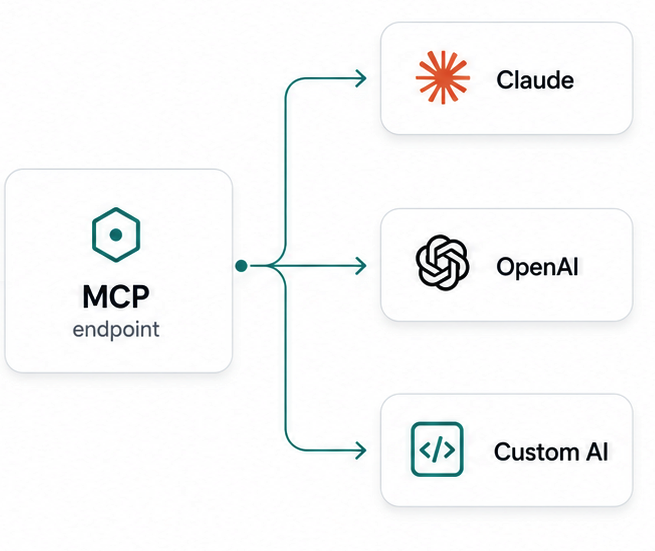
Governed, structured context for the AI tools you already use.
The business case
Faster decisions. Fewer misses. No new headcount.
30% - 50%
Shorter time to complete repeatable reviews, checks, updates and approvals.
6 → 1
Move from six or more places to check into one workspace for the activity.
25% - 40%
More completed outcomes with the same team, without adding another tool to manage.
Getting started
Self-serve. Live the same day.
Sign up, connect your tools and you are live the same day. No implementation team. No IT project. No waiting.
01
Connect your tools
02
Describe the process that is breaking
03